
Medieval & Norse
Saladin's Mercy: The Overlooked Ransom System That Defined Chivalry
When Saladin captured Jerusalem, he didn't massacre the Christians. His system of ransomed mercy tells a more complex story than legend allows.
When Saladin captured Jerusalem, he didn't massacre the Christians. His system of ransomed mercy tells a more complex story than legend allows.

The plague killed half of Europe. What it left behind was something no king or pope intended: workers who could finally negotiate.

For 39 years, the Catholic Church had two—then three—men claiming to be Pope. The solution came not from theology, but from exhaustion.

In July 1518, a woman began dancing in a Strasbourg street. Within weeks, hundreds joined her—and some danced until they died.

A papal legate allegedly ordered the slaughter of an entire city—Catholic and heretic alike. The phrase became history's most chilling religious command.

The trial transcripts of Joan of Arc survive nearly intact—and they reveal someone far sharper and stranger than legend suggests.

The most famous Viking never had a reliable biography. What medieval writers created tells us more about 13th-century Iceland than 9th-century Scandinavia.

The Mongols didn't conquer 24 million square kilometers through superior numbers. They mastered something their enemies couldn't see until it was too late.

The French had every advantage at Agincourt except one. The rain that fell the night before killed more knights than English arrows ever could.

For centuries, scientists knew a massive eruption had occurred—they just couldn't find the volcano. The answer was hiding in plain sight.

For centuries, scholars dismissed the Vinland sagas as fantasy. Then archaeologists found the nails.

A broken wooden fragment found in a Greenland ruin may hold the secret to how Vikings navigated featureless oceans. The answer wasn't magic—it was geometry.

The Viking invasion that dismantled four Anglo-Saxon kingdoms in 14 years began not with military genius, but with a broken ransom agreement.

She united Spain, funded Columbus, and expelled an entire people. Isabella's legacy remains Europe's most contested royal inheritance.

Vikings had raided before. But Lindisfarne broke something deeper than walls—it shattered the medieval understanding of divine protection.

Thousands of young people marched toward Jerusalem in 1212. The traditional story of their fate may be almost entirely wrong.
For 18 years, England tore itself apart in a war so devastating that chroniclers said Christ and his saints slept. Most people have never heard of it.
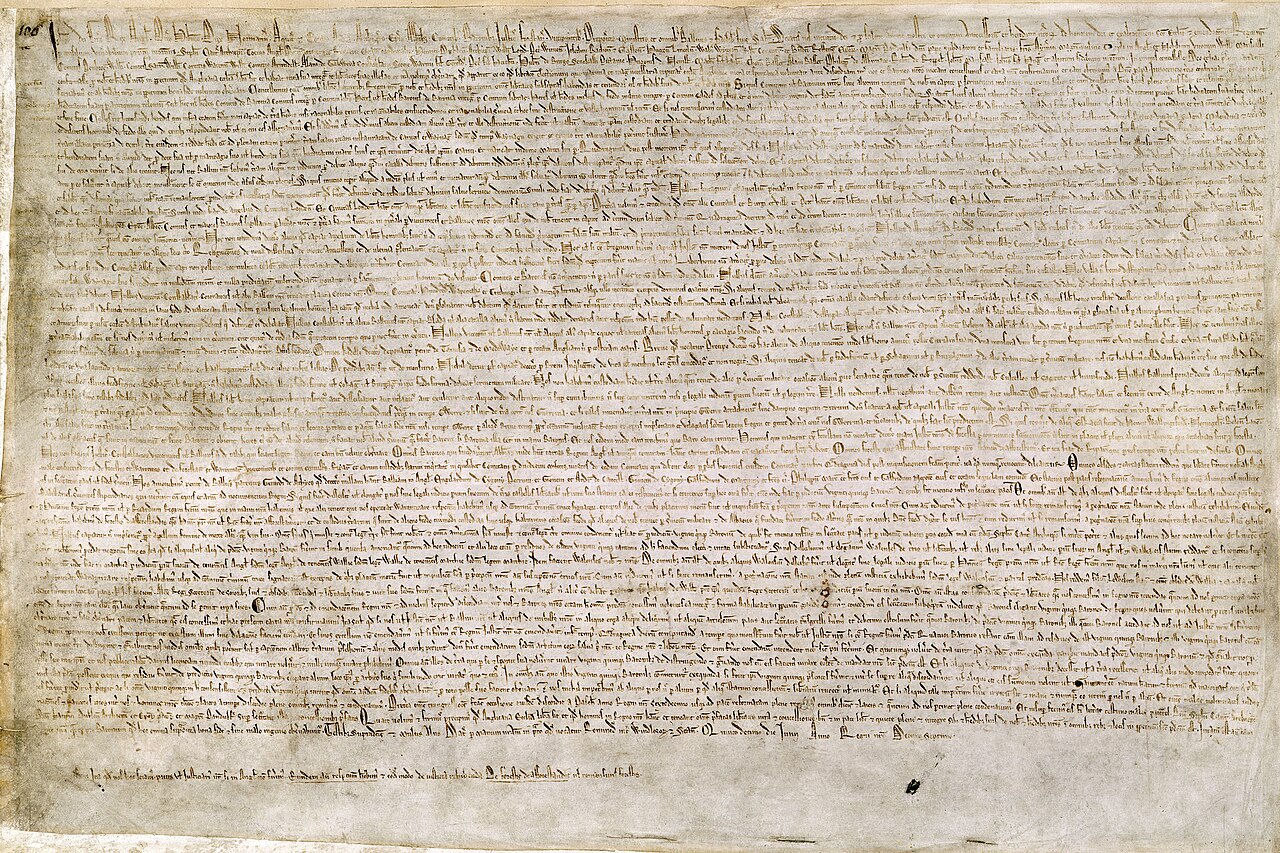
Barons wanted lower taxes and feudal privileges. Somehow we decided this was about human rights. The real Magna Carta is stranger than the legend.

The Templars weren't destroyed by enemies of Christianity. They were destroyed by a king who owed them money.

History remembers him as a genocidal destroyer. The documentary record reveals something far more calculated and surprisingly pragmatic.

A Hungarian engineer's 27-foot bronze cannon ended a thousand years of Byzantine history. The walls that held for millennia fell in weeks.
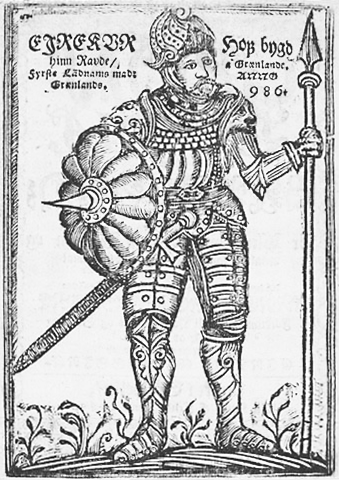
For five centuries, Norse settlers thrived in Greenland. Then they vanished completely. Archaeologists are still piecing together what went wrong.

Everyone knows Harold died with an arrow in his eye. Except he probably didn't. Here's what archaeology reveals.

Between 1400 and 1600, every long vowel in English migrated to a new position in speakers' mouths. Nobody planned it. Nobody noticed it happening.
No articles in this pillar yet.