
Archaeology
Britain's oldest monuments aren't Stonehenge—they're massive parallel earthworks stretching for miles across the landscape. Almost nobody knows they exist.

Archaeology
Tin from Cornwall reached Egyptian workshops 3,500 years ago. Then the network vanished overnight.

Archaeology
A tiny finger bone in a Siberian cave rewrote human evolution. The Denisovans lived for 200,000 years, bred with our ancestors, then vanished.

Archaeology
A volcanic blast 100 times stronger than Krakatoa buried a thriving city in pumice. But the Minoans on Crete didn't collapse overnight.

Archaeology
The world's most famous ancient law code wasn't really about punishment. It was a window into a society obsessed with fair prices.

Archaeology
The Assyrians didn't just conquer. They made sure everyone knew exactly what happened to those who resisted.

Archaeology
Writing, wheels, beer, schools, courts, and clocks. One civilization invented them all—then was forgotten for 4,000 years.

Archaeology
They didn't vanish overnight. The real story of why these remarkable cliff dwellers left is stranger than disappearance.

Archaeology
They built the world's first urban sanitation. They standardized weights across 1,000 cities. Then they left us almost nothing we can read.

Archaeology
In the 3rd century AD, a Persian prophet named Aksum among the world's four greatest powers. The only African empire on that list had coins in India and a king in Arabia.
Archaeology
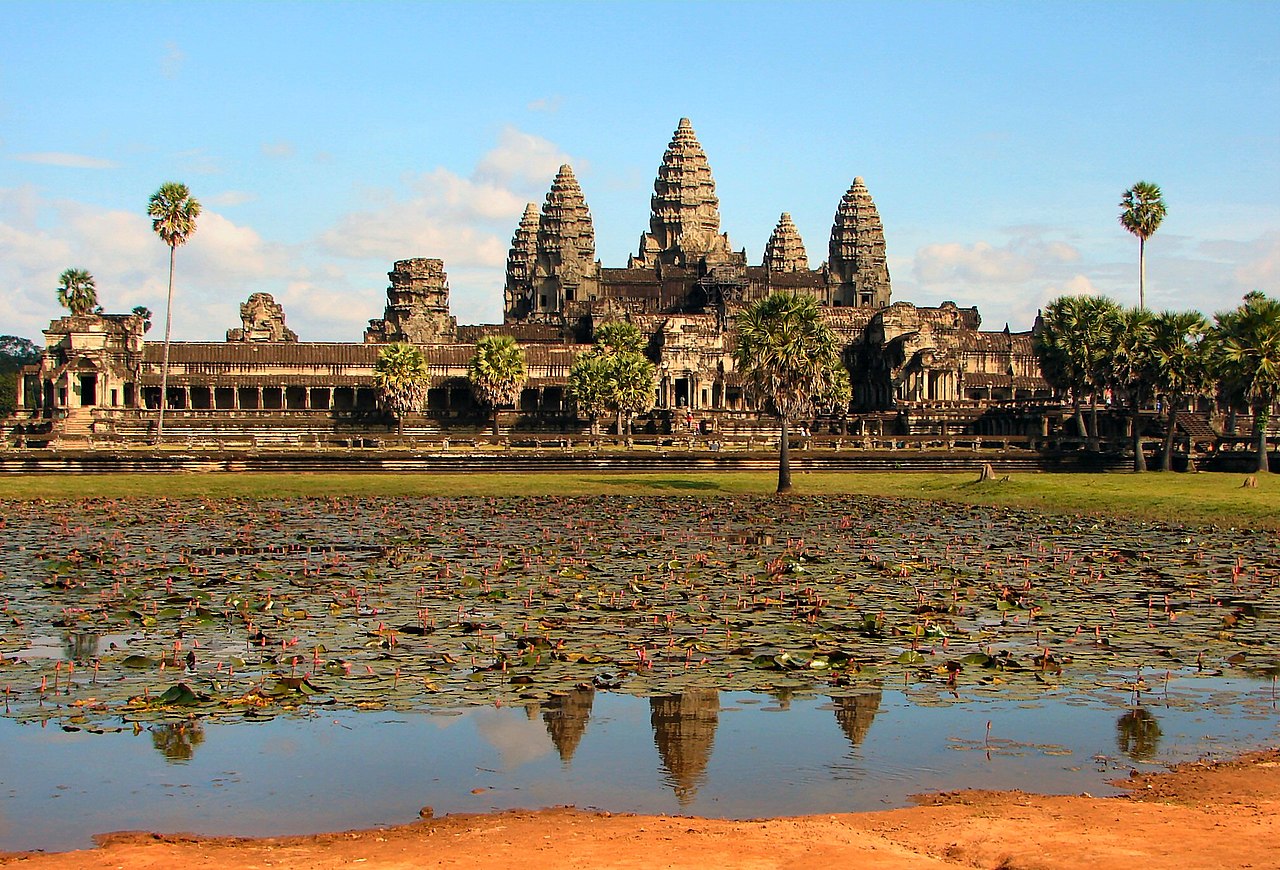
Angkor Wat wasn't just a temple—it was the heart of a million-person megacity. Laser scanning is finally revealing what the jungle erased.
Archaeology
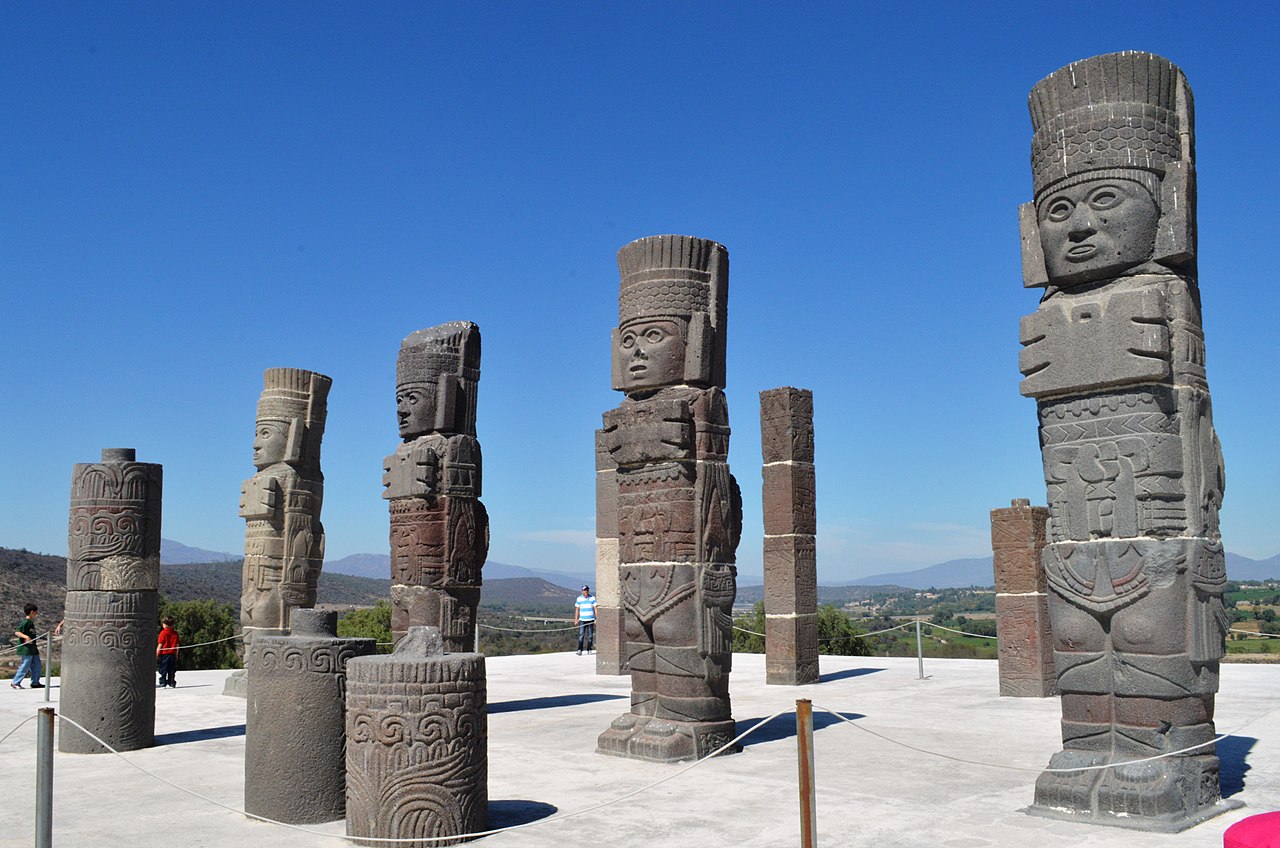
The Aztecs worshipped the Toltec as godlike ancestors. But archaeology tells a different story about who these people really were.

Archaeology
The mysterious Sea Peoples get blamed for ending civilization. But the real killer was already spreading through trade routes.

Archaeology
10,000 people lived roof-to-roof with no rulers, no streets, and homes entered through the ceiling. How did this Neolithic metropolis actually work?

Archaeology
He unified a continent, burned books, and built an underground kingdom for his corpse. Meet history's most ambitious megalomaniac.

Archaeology
A city of 18,000 people, built without mortar. European colonizers invented elaborate myths rather than accept Africans built it.

Archaeology
In a single generation, every major civilization from Greece to Egypt crumbled. What destroyed the ancient world's first globalized society?

Archaeology
They turned barren desert into wealth, carved a city from rose-red cliffs, then disappeared from history. Who were the Nabataeans?

Archaeology
In 1900, sponge divers found a vessel carrying the ancient world's most sophisticated computer. Its cargo revealed a civilization we'd badly underestimated.
Archaeology
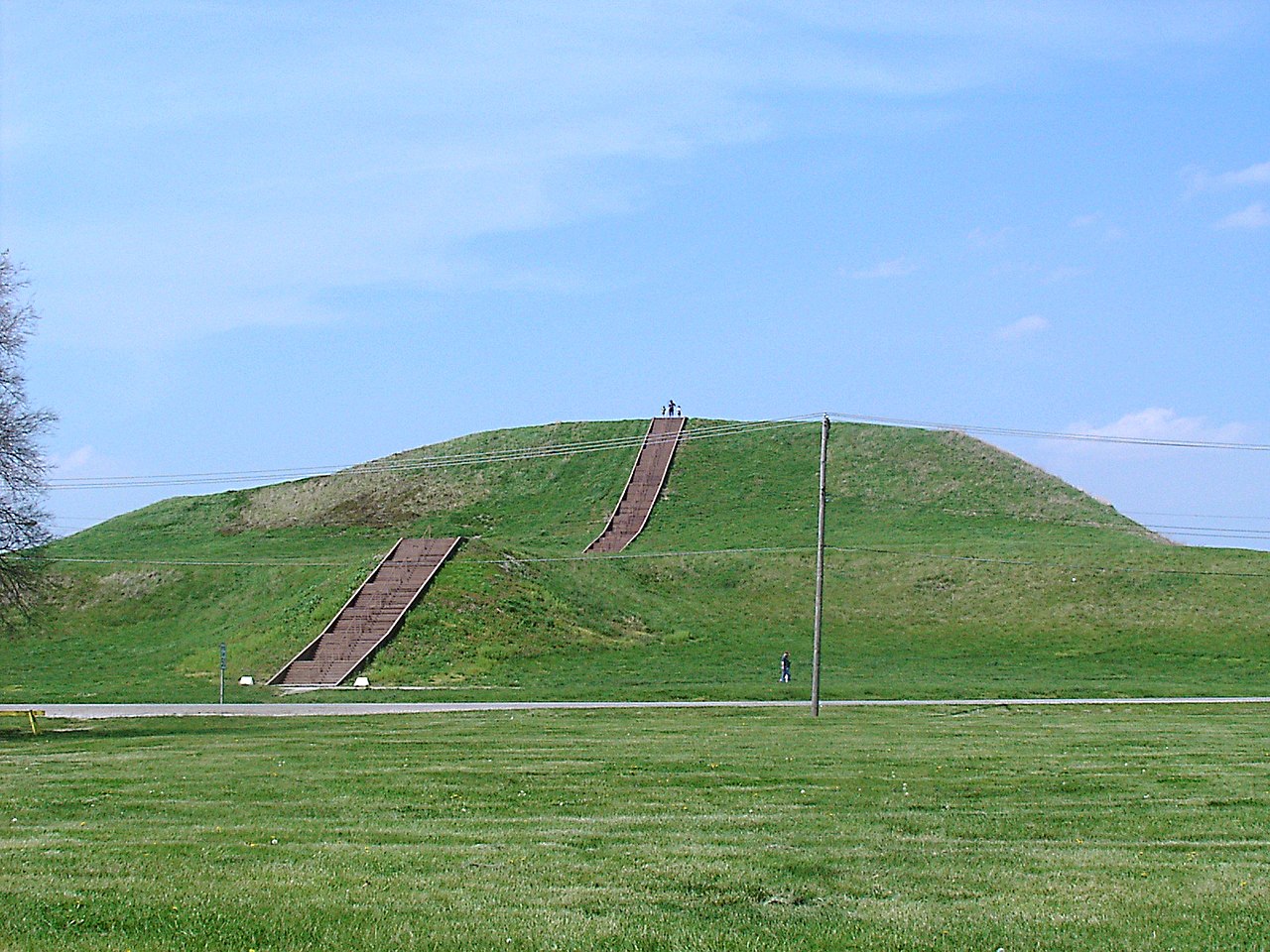
In 1050 AD, the largest city north of Mexico wasn't in Europe. It was in Illinois, and its population exceeded London's.

Archaeology
At its peak, Maya civilization supported 10-15 million people across hundreds of cities. Within a century, most were ghost towns. What happened?

Archaeology
The world's first written records weren't poetry or prayers. They were receipts for beer, tracked by accountants in the world's first city.

Archaeology
He conquered everything he could see, then stared at 100,000 bodies and became someone else entirely. Ashoka's transformation remains history's strangest imperial pivot.

Archaeology
New DNA and isotope analysis reveals what Stonehenge was actually built for: an elite cemetery with remains traveling from Wales and beyond.
No articles in this pillar yet.