
Ancient Rome
What Hannibal's Alpine Crossing Got Wrong: Horse Dung Rewrites History
Ancient historians disagreed wildly on Hannibal's route through the Alps. Modern science found answers in a 2,200-year-old layer of horse manure.
Ancient historians disagreed wildly on Hannibal's route through the Alps. Modern science found answers in a 2,200-year-old layer of horse manure.

Forget the dramatic barbarian sack. Rome's 'fall' was actually a half-millennium of adaptation that looked nothing like collapse from the inside.

Attila terrified two empires and earned the name 'Scourge of God.' Yet at Rome's gates, he turned back. The reason remains history's strangest anticlimax.

Five million dead. An emperor writing about death while it surrounded him. The plague that reshaped how Rome thought about life itself.

The mad emperor who made his horse a consul. Except he didn't. What the sources actually say about Rome's most infamous ruler.

Rome's most ambitious economic experiment wasn't taxation—it was making expensive beef a capital crime. The results were predictably catastrophic.

Sixty senators stabbed Caesar to save the Republic. Within hours, they realized they had destroyed it instead.
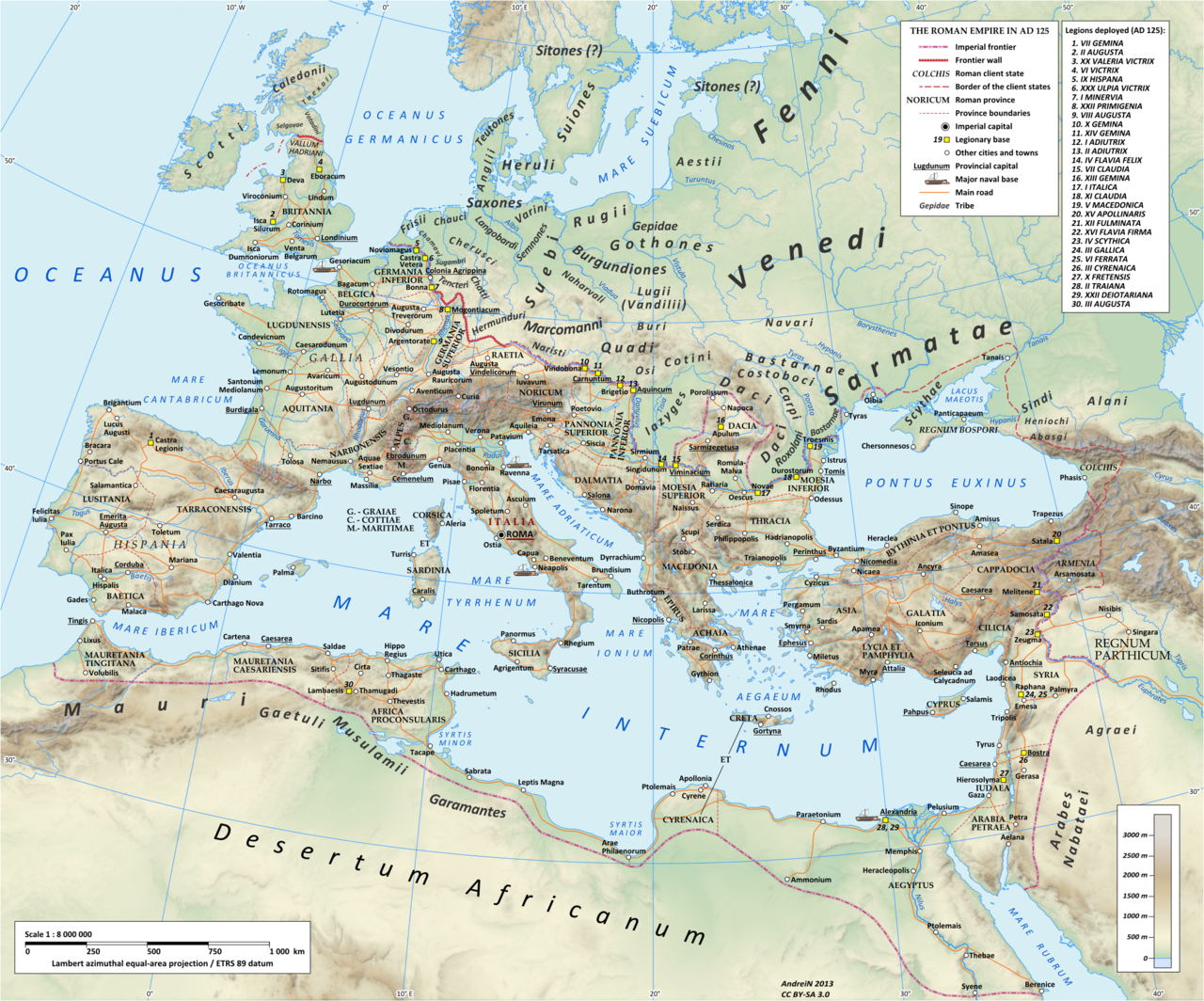
The gladius was 18 inches long. The empire stretched 2,500 miles. The real weapon was what happened before the battle started.

Publius Quinctilius Varus trusted his Germanic advisor completely. That advisor was planning the worst Roman military disaster in four centuries.

Rome's finest legion was 250 miles away when Boudicca struck. The timing wasn't coincidence—it was calculated devastation.

A vision before battle changed everything. But did Rome's first Christian emperor actually believe, or just recognize an opportunity?
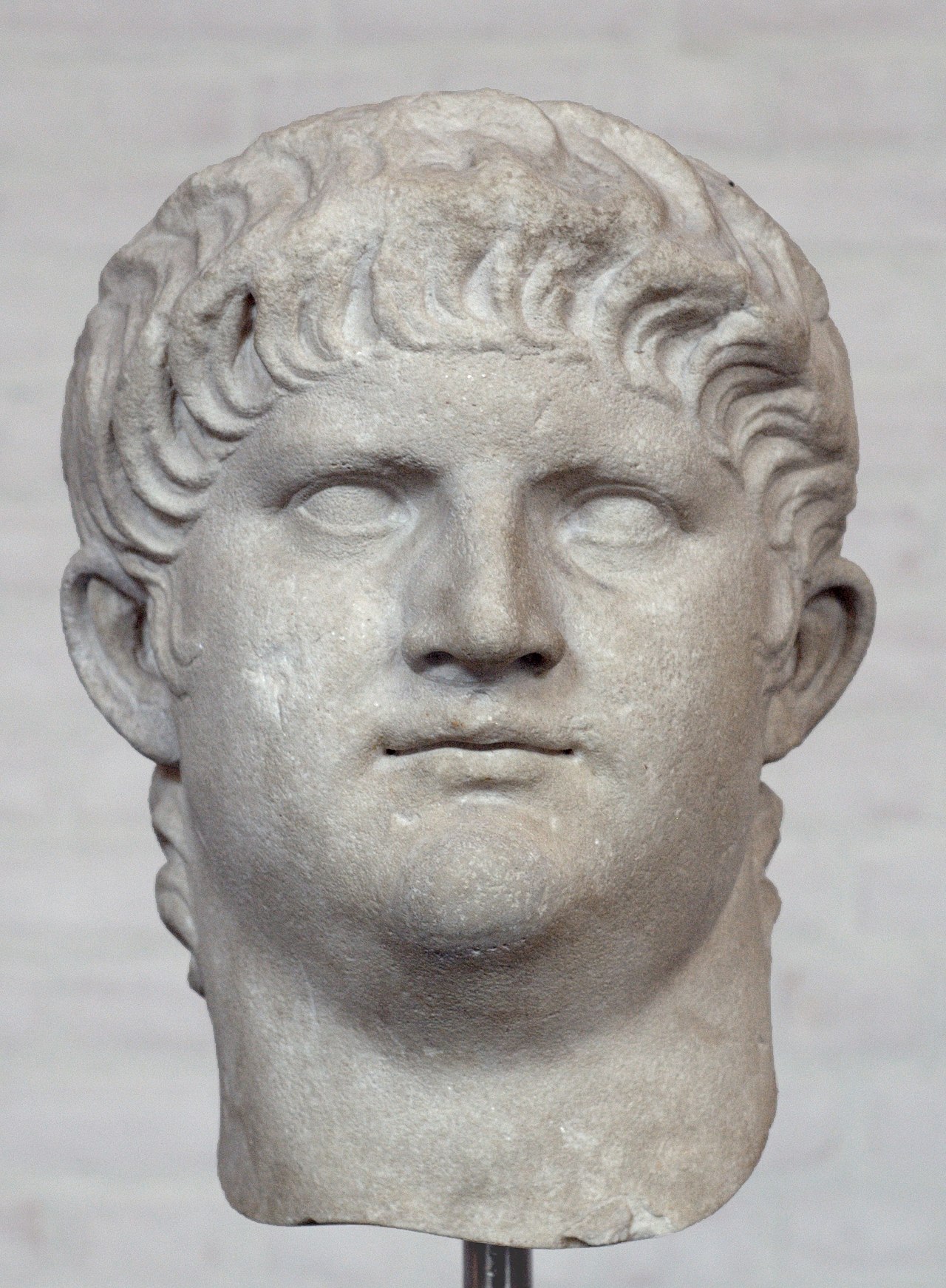
History's greatest villain or victim of a senatorial smear campaign? The real Nero bears little resemblance to the monster his enemies created.

Rome fed 200,000 citizens for free and killed thousands for their entertainment. It wasn't corruption—it was calculated genius.

The Roman army outnumbered Hannibal's forces. Eight hours later, 70,000 of them were dead in the worst military disaster Rome ever suffered.

Forget Hollywood's death matches. Archaeological digs reveal gladiators were expensive athletes who usually walked out of the arena alive.

The Pantheon's dome should have crumbled centuries ago. Instead, Roman concrete keeps getting stronger—and we just figured out why.
No articles in this pillar yet.