
Ancient Egypt
The Harem Conspiracy: How CT Scans Revealed Ramesses III's Cut Throat
For 3,000 years, historians debated whether Ramesses III survived the palace coup. Then modern technology found the wound the embalmers hid.
For 3,000 years, historians debated whether Ramesses III survived the palace coup. Then modern technology found the wound the embalmers hid.

A geologist's observation about rain erosion on the Sphinx sparked one of archaeology's most contentious debates. The evidence remains unresolved.

Five thousand years ago, a king commissioned a makeup grinding stone. It became history's first political advertisement—and it's drenched in blood.

Egypt didn't fall once—it collapsed three times. And the real causes weren't foreign invasions but something far more insidious.

For 275 years, the Ptolemaic rulers of Egypt refused to learn the language of their subjects. Then came Cleopatra VII.

The 'Hyksos invasion' that brought Egypt to its knees wasn't a sudden conquest. It was something far stranger.

Egypt's most powerful queen vanished from all records at the height of her reign. The reason may lie in something far stranger than death.

Forget everything you thought you knew about pyramid construction. The workers who built the Giza monuments left behind evidence of something unexpected: labor rights.

She ruled Egypt for two decades, built monuments that still astound. Then someone tried to make her disappear entirely.

Both empires claimed total victory. Both were lying. The real winner was the treaty that followed—history's oldest surviving peace agreement.

A pharaoh dismantled 2,000 years of Egyptian religion in a single generation. Then his successors spent decades pretending he never existed.
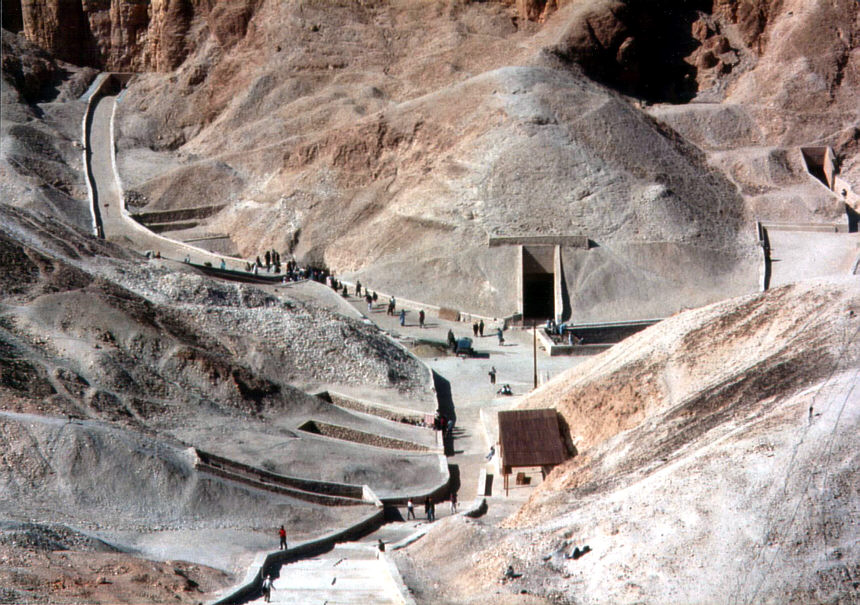
The pyramids became massive advertisements for tomb robbers. Egypt's rulers found a darker, more secretive solution.

A pharaoh's victory monument contains the oldest reference to Israel. What this 3,200-year-old granite slab reveals—and conceals—about the Exodus.
No articles in this pillar yet.